Ayodhya in 2 Days: Local Itinerary, Places & Travel Tips
Plan Ayodhya in 2 days with a practical local itinerary covering Ram Mandir, Hanuman Garhi, Kanak Bhawan, Ram Ki Paidi, routes and travel tips.

- Ayodhya 2 Days Trip at a Glance
- Day 1: Main Temples & Central Ayodhya
- Day 2: Ghats, Temples & Optional Sightseeing
- Actual Local Route
- Best Places to Visit in Ayodhya in 2 Days
- How to Travel Around Ayodhya
- Ram Mandir Darshan Planning
- Where to Stay in Ayodhya
- What to Eat in Ayodhya
- Practical Travel Tips
- Common Planning Mistakes
- FAQs
Ayodhya 2 Days Trip at a Glance
| Trip Detail | Practical Plan |
|---|---|
| Duration | 2 Days / 1 Night |
| Best for | First-time visitors, families, pilgrims and couples |
| Day 1 Priority | Ram Mandir, Hanuman Garhi, Kanak Bhawan |
| Day 2 Priority | Nageshwar Nath, Ram Ki Paidi, Saryu riverfront |
| If Time Permits | Guptar Ghat and selected additional attractions |
| Local Transport | Walking, e-rickshaw and cab depending on route |
| Travel Style | Comfortable pilgrimage with flexible sightseeing |
Two days are generally more comfortable than a one-day visit because you do not need to put every temple and ghat into one schedule. It also gives you a better buffer if Darshan, security or local movement takes longer than expected.
Day 1: Main Temples & Central Ayodhya
The first day should focus on the main pilgrimage area. Keep the schedule flexible because the actual time required at a temple can depend on crowd levels, security arrangements and current entry procedures.
Priority 1: Shri Ram Janmabhoomi Mandir
Start your Ayodhya trip with Shri Ram Janmabhoomi Mandir, which is the main pilgrimage attraction for many visitors.
Do not build your itinerary around an old fixed Darshan timing. Instead, check the latest official Darshan information before travelling and allow additional time for walking, security and entry procedures.
If you are travelling with elderly family members or children, avoid scheduling another important attraction immediately after Darshan. Keep a reasonable buffer.
Priority 2: Hanuman Garhi
After the main temple visit, Hanuman Garhi can be included as one of the important central Ayodhya temples.
The temple area can become busy, so keep enough time for walking and local movement. Visitors should follow the latest instructions given at the site.
Priority 3: Kanak Bhawan
Kanak Bhawan is another well-known temple in Ayodhya and can fit naturally into a central temple circuit with Hanuman Garhi and other nearby attractions.
Its inclusion makes the first day more balanced because you can combine the main Ram Mandir visit with other important religious sites instead of travelling repeatedly across the city.
Lunch and Rest
Take a proper lunch break rather than continuing sightseeing without rest. A two-day trip works best when you leave some time for food, hydration and a short break.
Optional: Dashrath Bhawan
If your Day 1 schedule is comfortable, you can add Dashrath Bhawan or another nearby attraction. Keep it optional rather than making it a compulsory stop.
Evening: Ram Ki Paidi & Saryu Riverfront
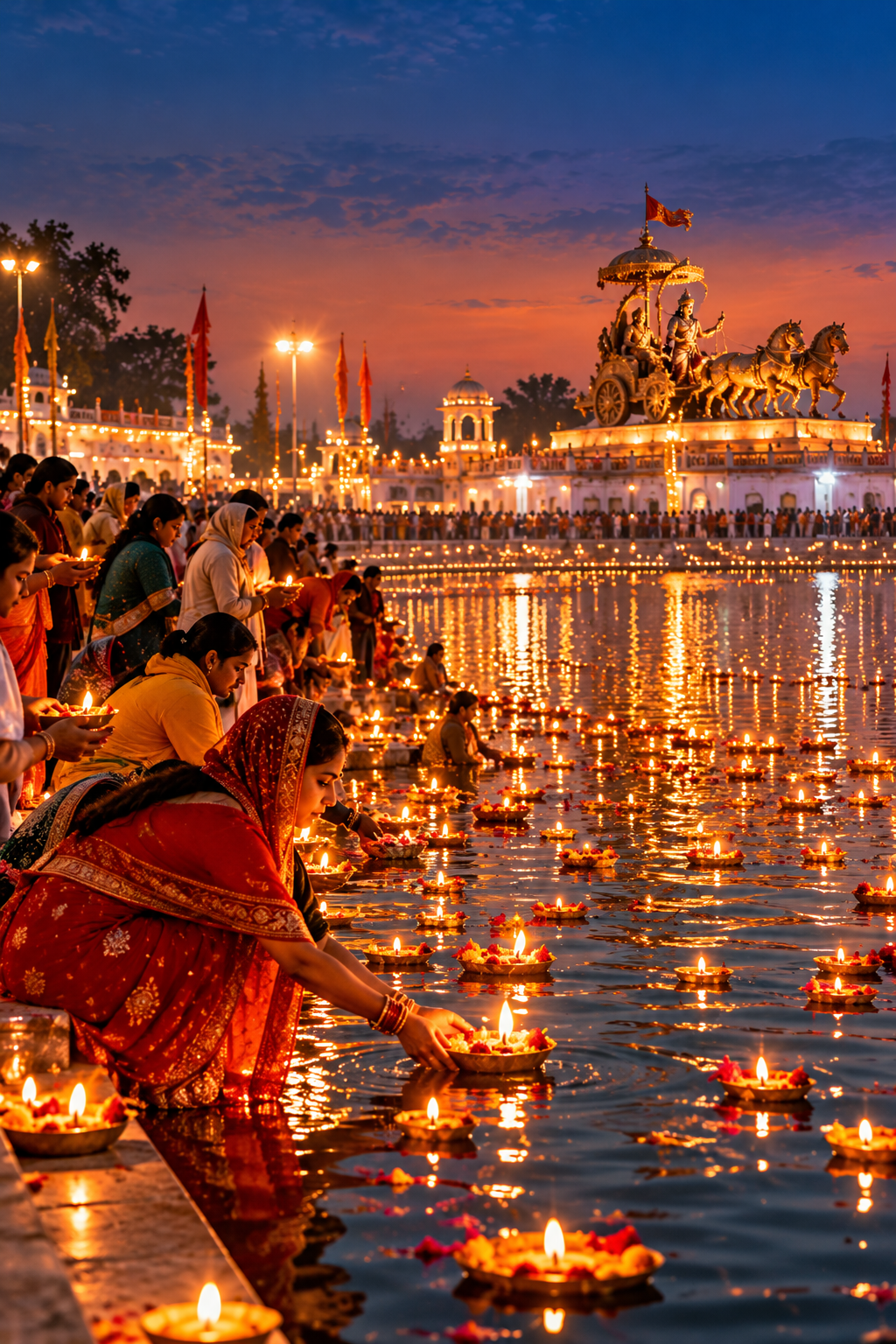
Ram Ki Paidi and the Saryu riverfront can be included in the evening when you want a slower part of the itinerary after temple visits.
If you want to attend an Aarti, check the current local or official schedule for your travel date instead of relying on a fixed time published in an old article.
Ram Mandir → Hanuman Garhi → Kanak Bhawan → Lunch & Rest → Optional Central Attraction → Ram Ki Paidi / Saryu Riverfront
Day 2: Ghats, Temples & Optional Sightseeing
Day 2 should be less rushed. Use the morning for another important temple or any place missed on Day 1, then keep the afternoon and evening for additional sightseeing.
Day 2 — Priority
Nageshwar Nath Temple
Nageshwar Nath Temple can be included in a temple-focused second-day route. It is particularly useful for visitors who want to experience more of Ayodhya beyond the main Ram Mandir circuit.
Ram Ki Paidi
If you did not visit Ram Ki Paidi properly on Day 1, keep it as a Day 2 priority. The riverside area can be combined with other nearby attractions depending on your available time.
Saryu Riverfront
The Saryu riverfront is an important part of an Ayodhya visit. Keep some unplanned time here instead of treating it only as another checklist attraction.
The exact atmosphere and local schedule can vary by season, day and religious events, so check current local information before planning a specific Aarti or evening programme.
Day 2 — If Time Permits
Only add optional places after completing your priority attractions.
- Guptar Ghat
- Additional temples in central Ayodhya
- Selected heritage or cultural attractions
- Local market and souvenir shopping
If you have a train or flight on Day 2, do not fill the final few hours with distant attractions. Keep enough buffer for traffic, hotel checkout and the journey to the railway station or airport.
Nageshwar Nath → Ram Ki Paidi / Saryu Area → Lunch & Rest → Optional Guptar Ghat / Additional Attractions → Shopping → Departure
Actual Local Route for an Ayodhya 2-Day Trip
The route below is designed to reduce unnecessary backtracking.
| Day | Route | Purpose |
|---|---|---|
| Day 1 | Ram Mandir → Hanuman Garhi → Kanak Bhawan | Main pilgrimage circuit |
| Day 1 Evening | Central area → Ram Ki Paidi → Saryu riverfront | Relaxed evening sightseeing |
| Day 2 | Nageshwar Nath → nearby central attractions | Additional temple visits |
| Day 2 Evening | Saryu area / Guptar Ghat → departure route | Optional sightseeing and onward travel |
The exact sequence can be changed according to your hotel location, arrival time, Darshan availability and departure schedule.
Best Places to Visit in Ayodhya in 2 Days
| Place | Priority | Best Fit |
|---|---|---|
| Shri Ram Janmabhoomi Mandir | High | Day 1 |
| Hanuman Garhi | High | Day 1 |
| Kanak Bhawan | High | Day 1 |
| Ram Ki Paidi | High | Day 1 or Day 2 |
| Saryu Riverfront | High | Evening |
| Nageshwar Nath Temple | Medium-High | Day 2 |
| Dashrath Bhawan | Medium | If time permits |
| Guptar Ghat | Optional | Day 2 |
You do not need to visit every attraction to have a meaningful two-day Ayodhya trip. For most first-time visitors, the main pilgrimage circuit should take priority over collecting a long list of locations.
How to Travel Around Ayodhya
Local transport should be planned according to the area you are visiting. Central pilgrimage areas may involve walking and pedestrian movement, while a cab can be more useful for longer distances or family travel.
Walking
Walking can be practical around closely located temple areas, but keep comfortable footwear and allow extra time during busy periods.
E-Rickshaw
E-rickshaws can be useful for short local journeys. Confirm the fare and destination before starting the ride.
Cab
A cab is more convenient for families, senior citizens, groups or visitors staying away from the central temple area. It can also be useful when your itinerary includes locations spread across Ayodhya.
Do not assume that a cab booking automatically includes temple entry, Darshan or any special access. Transportation and temple services should be treated separately.
Ram Mandir Darshan Planning
Darshan planning is the most important part of an Ayodhya itinerary.
Before travelling, check the current official Shri Ram Janmabhoomi Teerth Kshetra booking and information system for available services and instructions.
The official system currently uses service names such as Sugam Darshan and Samanya Darshan. Do not assume that every website advertising a “VIP Darshan” is offering an official temple-issued VIP ticket.
For the latest information, use the official temple booking portal: Official Shri Ram Janmabhoomi Teerth Kshetra Booking Portal.
For more information about online Darshan terminology and booking, see our guide: Ayodhya Online VIP Darshan Pass & Booking Guide.
Where to Stay in Ayodhya for a 2-Day Trip
For a two-day visit, choosing a convenient location can save time.
If your main priority is temple sightseeing, look for accommodation with practical access to the central pilgrimage area. If you prefer easier vehicle access and a quieter stay, a property slightly away from the busiest temple streets may be more convenient.
For Families
- Choose a clean and easily accessible hotel.
- Check whether parking is available if travelling by car.
- Prefer rooms with easy access if travelling with elderly members.
- Keep the hotel reasonably close to your main sightseeing route.
For Short Trips
For a 2-day, 1-night trip, avoid spending too much time changing hotels. One convenient base is usually easier than moving luggage between properties.
What to Eat in Ayodhya
Food can be part of the local experience, but keep meals practical during a temple-focused trip.
Depending on availability and your dietary preferences, visitors may come across local favourites such as:
- Kachori-Sabzi
- Jalebi
- Rabri
- Khurchan
- Aloo Tikki and local chaat
- Vegetarian North Indian meals
Choose hygienic and busy food outlets, especially when travelling with children or elderly family members.
Practical Travel Tips for Ayodhya
- Keep your itinerary flexible around Darshan and security procedures.
- Wear comfortable footwear because some sightseeing involves walking.
- Carry drinking water and basic personal essentials.
- Keep your luggage light when visiting busy pilgrimage areas.
- Check current temple restrictions before entering.
- Do not depend on old timings copied from another website.
- Keep additional time for weekends, festivals and high-footfall periods.
- Confirm local transport fares before starting an e-rickshaw journey.
- If travelling with senior citizens, reduce the number of optional attractions.
- Keep your return journey flexible enough to handle local traffic.
Best Time to Visit Ayodhya for a 2-Day Trip
October to March is generally more comfortable for outdoor sightseeing because temperatures are usually more suitable for walking than the peak summer months.
However, Ayodhya can be visited throughout the year. Your experience may depend on weather, festivals, weekends, religious events and visitor volume.
If you are travelling during a busy period, expect more people and allow extra time for transport and temple-related procedures.
How to Reach Ayodhya
Ayodhya can be reached by air, rail and road. Your best option depends on your starting city and travel schedule.
By Train
Ayodhya Dham railway connectivity makes train travel a practical option for many visitors. Check your current train schedule and station details before departure.
By Air
Maharishi Valmiki International Airport Ayodhya Dham can be useful for visitors arriving by air. Flight schedules can change, so confirm your flight and transfer arrangements before travelling.
By Road
Ayodhya is connected by road with major cities in Uttar Pradesh and neighbouring regions. A private cab can be convenient for families who want door-to-door travel.
2-Day Ayodhya Trip: What to Skip If You Are Short on Time
One of the biggest itinerary mistakes is trying to visit every attraction simply because you have two days.
If your time becomes limited, skip optional attractions before removing the main pilgrimage sites.
| Keep | Move to Optional |
|---|---|
| Ram Mandir | Remote or less-priority attractions |
| Hanuman Garhi | Long shopping sessions |
| Kanak Bhawan | Multiple similar sightseeing stops |
| Ram Ki Paidi / Saryu area | Places requiring significant extra travel time |
| Nageshwar Nath | Additional attractions after the main circuit |
Common Mistakes to Avoid on an Ayodhya 2-Day Trip
- Trying to visit everything: A shorter list with enough time is better than a rushed itinerary.
- Using old temple timings: Always check current official information.
- Ignoring walking time: Central pilgrimage areas can involve walking and security procedures.
- Leaving no buffer: Do not schedule your departure immediately after sightseeing.
- Assuming a cab includes Darshan: Transport and temple entry are separate.
- Buying unofficial VIP offers: Verify any Darshan claim through the official temple system.
- Overloading Day 2: Keep optional attractions only if you genuinely have time.
Suggested 2-Day Plan for Families & Senior Citizens
If you are travelling with parents, grandparents or young children, slow the itinerary down.
| Day | Priority Plan |
|---|---|
| Day 1 | Ram Mandir → Rest → Hanuman Garhi → Kanak Bhawan → Easy evening near Ram Ki Paidi |
| Day 2 | Nageshwar Nath → Saryu area → Lunch/Rest → Optional Guptar Ghat → Departure |
The goal should be a comfortable pilgrimage rather than the maximum number of locations.
Internal Guides for Planning Your Ayodhya Trip
If you are planning your trip in more detail, these related guides can help:
- Ayodhya Online VIP Darshan Pass & Booking Guide
- Ayodhya Temple Tour with Local Guide
- Ayodhya Sightseeing Tour: Places, Taxi & Itinerary
- One Day Ayodhya Tour: Itinerary & Travel Tips
Frequently Asked Questions
Is 2 days enough for Ayodhya?
Yes. Two days are enough for a first visit if you focus on the main pilgrimage attractions and keep additional sightseeing optional.
What can I cover in Ayodhya in 2 days?
A practical plan can include Ram Mandir, Hanuman Garhi, Kanak Bhawan, Nageshwar Nath, Ram Ki Paidi and the Saryu riverfront. Guptar Ghat and other attractions can be added if time permits.
What should I visit first in Ayodhya?
For a first-time visitor, Shri Ram Janmabhoomi Mandir is usually the main priority, followed by important central temples such as Hanuman Garhi and Kanak Bhawan.
Can I visit Ayodhya with family in 2 days?
Yes. Two days can work well for families because you can keep the main temples on Day 1 and use Day 2 for additional sightseeing at a more relaxed pace.
What is the best way to travel around Ayodhya?
Walking and e-rickshaws can be useful around central areas, while a cab may be more convenient for families, senior citizens and attractions located farther apart.
Is Ayodhya in 2 days possible without a tour package?
Yes. You can plan a two-day Ayodhya trip independently by arranging your hotel, transport and Darshan information separately. A local travel service can be useful if you prefer assistance with transport and itinerary planning.
Should I book Ram Mandir Darshan before visiting Ayodhya?
Check the latest official Darshan system before travelling. Booking requirements and available services can change, so do not rely on old information from third-party websites.
Is “VIP Darshan” the same as Sugam Darshan?
Not necessarily. “VIP Darshan” is commonly used as a search phrase, while Sugam Darshan is an official service name currently used in the temple booking system. Always verify the exact service on the official portal.
Final Takeaway
A good Ayodhya in 2 days itinerary should not try to cover every temple and sightseeing spot. The better approach is to focus on the main pilgrimage circuit on Day 1 and use Day 2 for additional temples, ghats and optional attractions.
For most first-time visitors, a practical plan is: Ram Mandir → Hanuman Garhi → Kanak Bhawan on Day 1, followed by Nageshwar Nath → Ram Ki Paidi → Saryu riverfront on Day 2.
Keep the schedule flexible for Darshan, security, walking, traffic and weather. Before your trip, check current official temple information instead of relying on fixed timings from an older article.

Ayodhya-based travel writer and Ministry of Tourism (India) certified guide. 12+ years guiding pilgrims across the Ayodhya–Varanasi–Prayagraj Holy Triangle. Every guide is fact-checked against current temple timings and local transport before publishing.